






Solar pest control
Products in this line
Solar pest control
Solar LED Black-Light Pest Lamp for Fish Ponds
Solar pest control
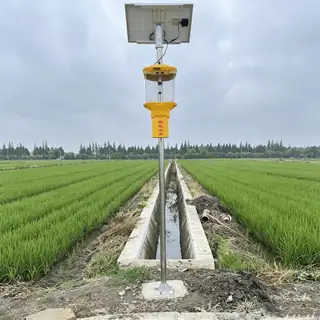
Solar Electric Shock IoT Insect Killer
Solar pest control
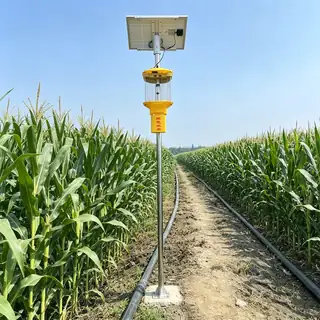
Solar 21W Black-Light Pest Killing Lamp
Solar pest control
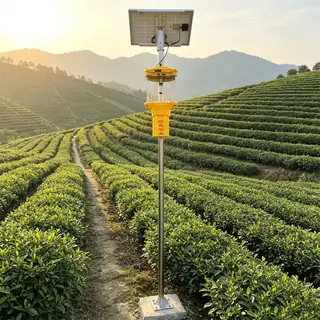
Waterproof Solar Insect Suction Lamp
Solar pest control
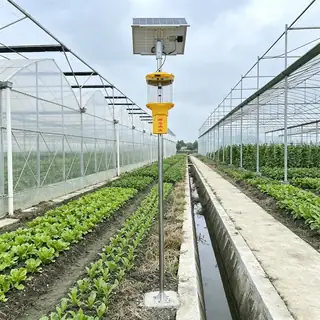
Solar Vibration Insect Lamp for Rice Fields
Solar pest control
Rechargeable Solar LED Beetle Catcher Lamp
Solar pest control
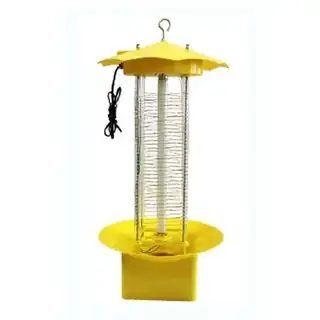
Light-Sensing Solar UV Insect Trap
Solar pest control
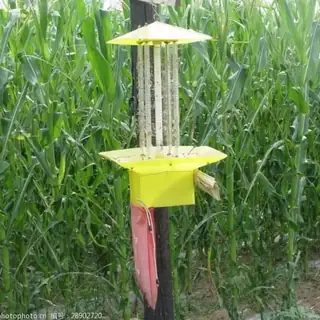
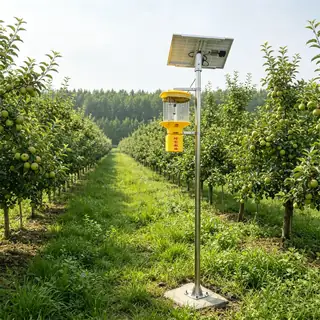
21W Solar LED Orchard Pest Control Lamp
Solar pest control
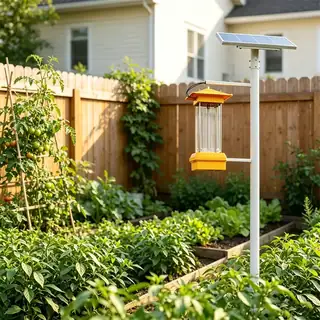
IoT Insect Monitoring and Reporting Lamp
Solar pest control
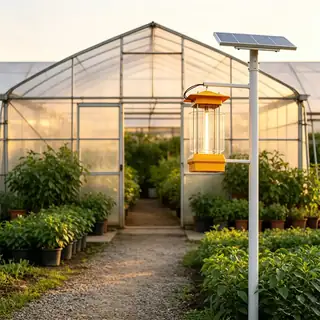
IoT Solar Insecticidal Lamp for Farmland
Solar pest control
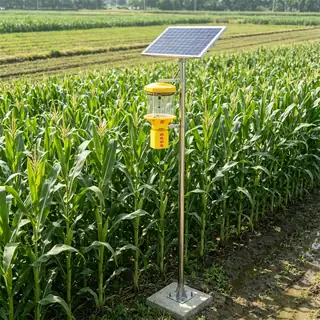
Solar IoT Insect Reporting and Killing Lamp
Solar pest control
Waterproof IoT High-Voltage Mosquito Zapper
How it works
Inside our solar pest control lamps
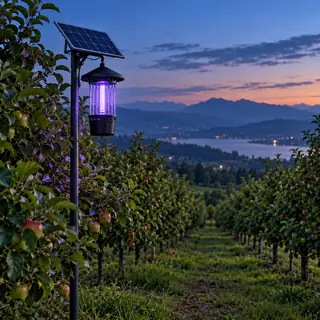
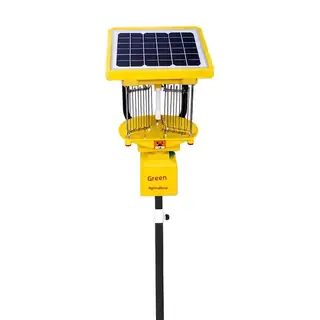
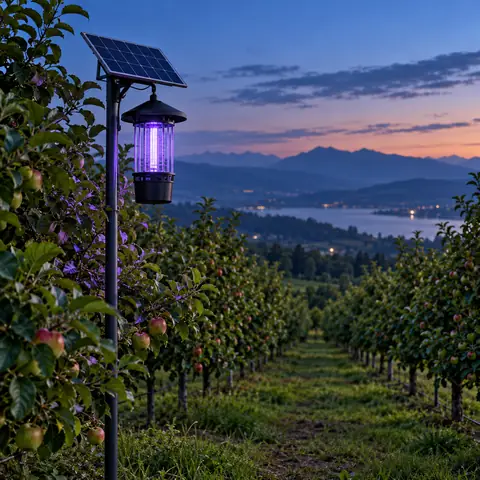
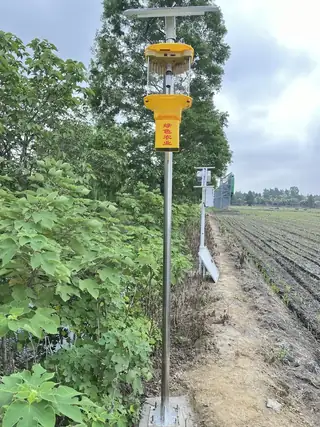
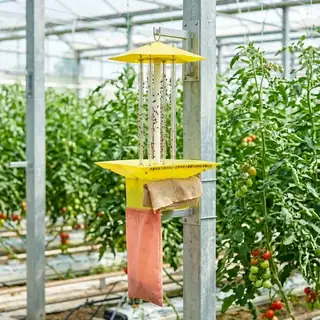
Solar insect lamps attract night-flying pests with black-light LEDs and kill them with a high-voltage grid or capture them by suction or vibration, without spraying. A solar panel and battery run each lamp off-grid; a light sensor switches it on at dusk.
IoT monitoring lamps photograph and count the insects they catch and report to a web platform, so growers can see pest pressure across a farm and time any treatment.
Who they're for: Orchards, rice and vegetable farms, tea gardens, fish ponds and agricultural cooperatives reducing pesticide use.
Attract
Black-light LEDs at wavelengths many crop pests respond to.
Kill or capture
High-voltage grid, vibration or suction, depending on the model.
Power
Solar panel and lithium battery; light-controlled and timed operation.
Monitor
IoT models count catches and send data for pest forecasting.
Buyer guides
Guides for solar pest control lamps
- Insect Light Traps for Farms and Greenhouses: Types and Uses
- Outdoor Mosquito Zapper Guide: Zappers vs Traps That Work
- Solar Bug Zapper Buying Guide: Types, Specs and Placement
- Do Bug Zappers Work? Flies, Mosquitoes, Moths and Bees
- Commercial Bug Zapper Guide: Industrial and Large Outdoor Units
- Solar Insect-Killing Lamps: Coverage, Placement and IoT
FAQ
Solar pest control: common questions
Can't find your answer? Our engineers reply within one business day.
Ask a questionHow much area does one solar insect lamp cover?
Coverage depends on the lamp model, the pest and the terrain. As a planning figure, many farms space lamps so each covers roughly 1–3 hectares, then adjust after a season of catch data. Our lamp placement guide explains spacing in more detail.
Does it harm beneficial insects?
Light traps attract a range of night-flying insects. Timed operation in the hours of peak pest activity and correct mounting height help reduce the effect on beneficial species.
How long does the battery last each night?
Lamps are configured for a set number of operating hours per night after charging during the day. Ask us for the battery capacity and rated run time of the model you are considering; both depend on the lamp and the local season.
What does the IoT version add?
IoT lamps count and photograph catches, then upload the data so you can track pest populations over time and across fields from a dashboard.
Do you supply commercial and industrial bug zappers?
Yes. Our solar insect killer lamps are commercial-grade, pole-mounted units for farms, orchards, tea gardens and fish ponds, with options for high-voltage grids, vibration or suction capture and IoT monitoring.
Is a solar bug zapper effective for agriculture?
Light traps attract night-flying insects such as moths and beetles, which include many crop pests. They are most effective as part of integrated pest management, placed at the recommended spacing and switched on at dusk.
Get a quotation
Get a quote for solar pest control lamps
Crop, site and rough size are enough to start. You'll hear from an engineer within one business day, Shanghai time.
- Itemized quotation in USD with lead time
- Layout drawings for custom systems
- Factory inspection or video call on request
- Export packing and shipping documents
Prefer email? inquiry@marsverticalfarm.com